Life Stages
When Your Dog Becomes a Senior
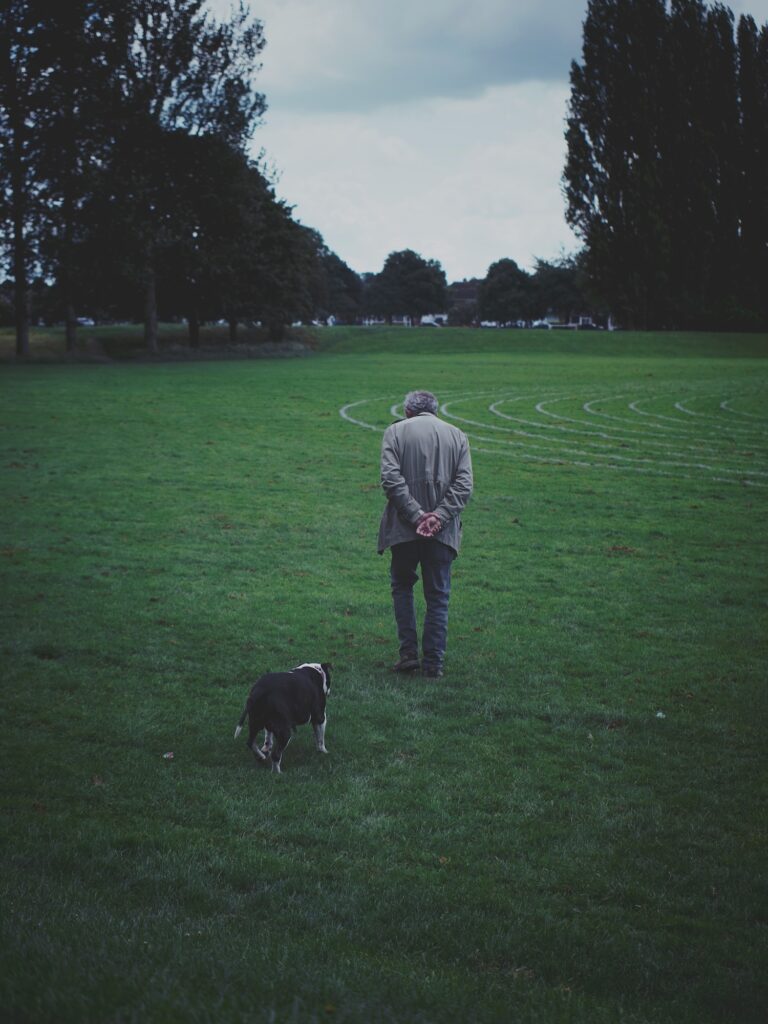
The senior years can be long and good if you’re paying attention. Your dog is communicating constantly through changes in movement, energy, and rest. The question is whether you’re reading it.

Your dog changes as they grow, from puppyhood through to the senior years. Each stage brings new needs, and your approach should shift with them.
The senior years can be long and good if you’re paying attention. Your dog is communicating constantly through changes in movement, energy, and rest. The question is whether you’re reading it.
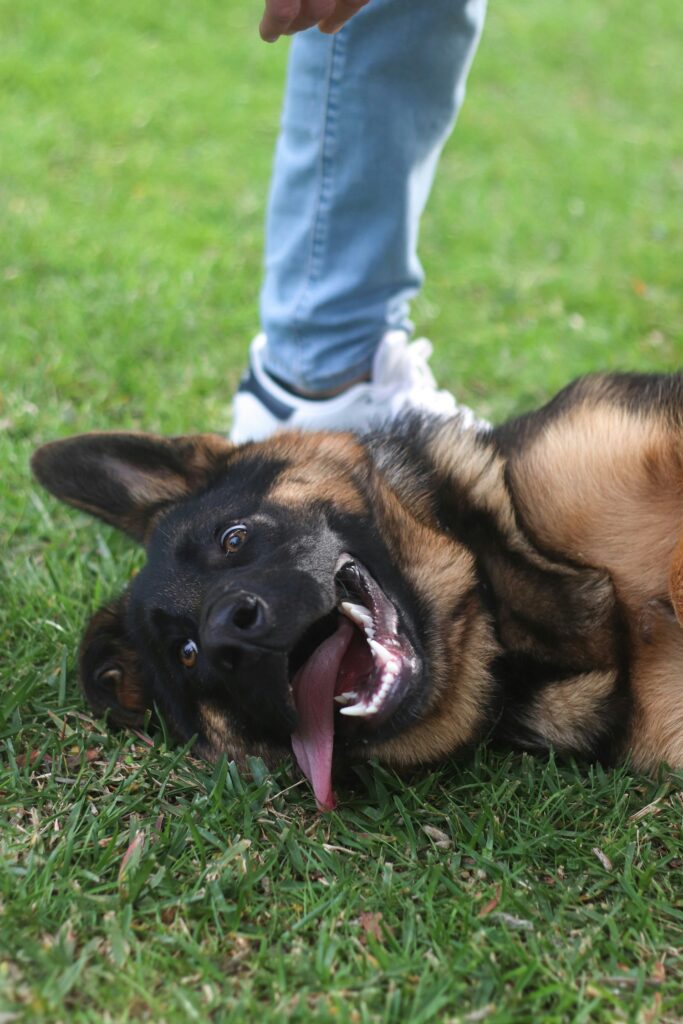
Your dog isn’t broken, and you haven’t failed. Research shows adolescent dogs specifically test their primary attachment figure while remaining responsive to strangers. Understanding what’s happening in your dog’s brain during this phase helps you manage it without damaging your relationship.
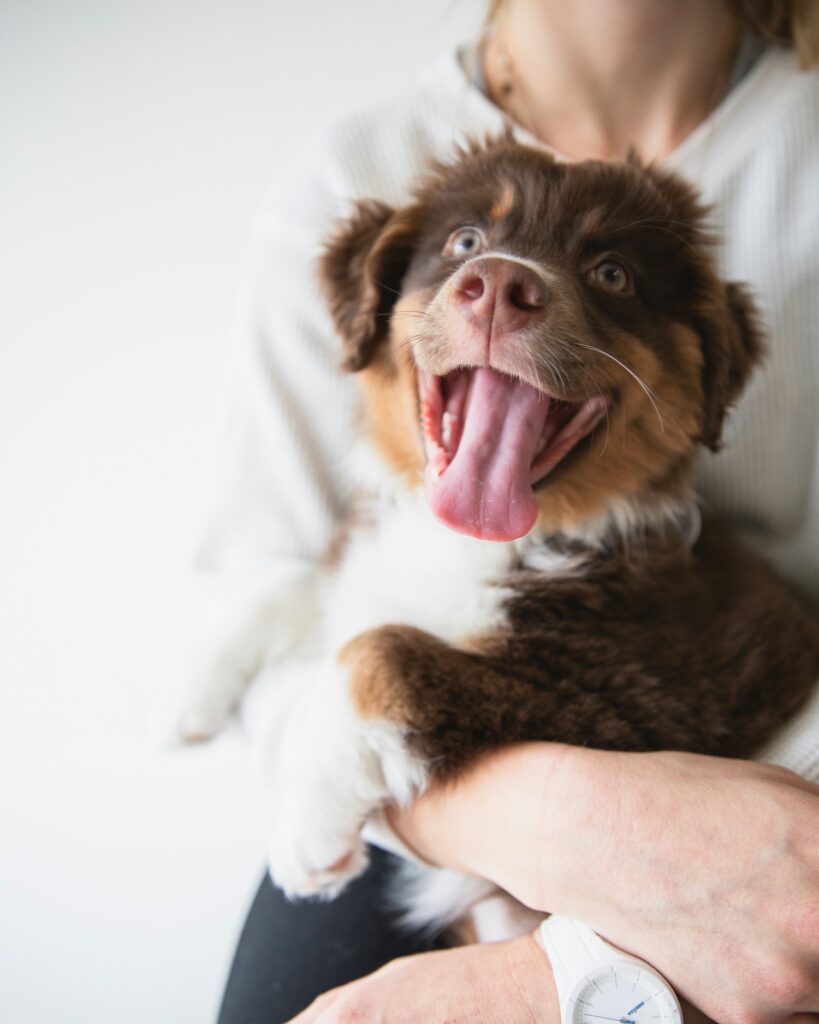
You imagined soft fur and sleepy cuddles. What you got was sharp teeth and 3am wake-ups. Puppy development follows a predictable biological sequence. Understanding what’s actually happening in your puppy’s brain and body at each stage transforms reactive crisis management into confident support.