Articles

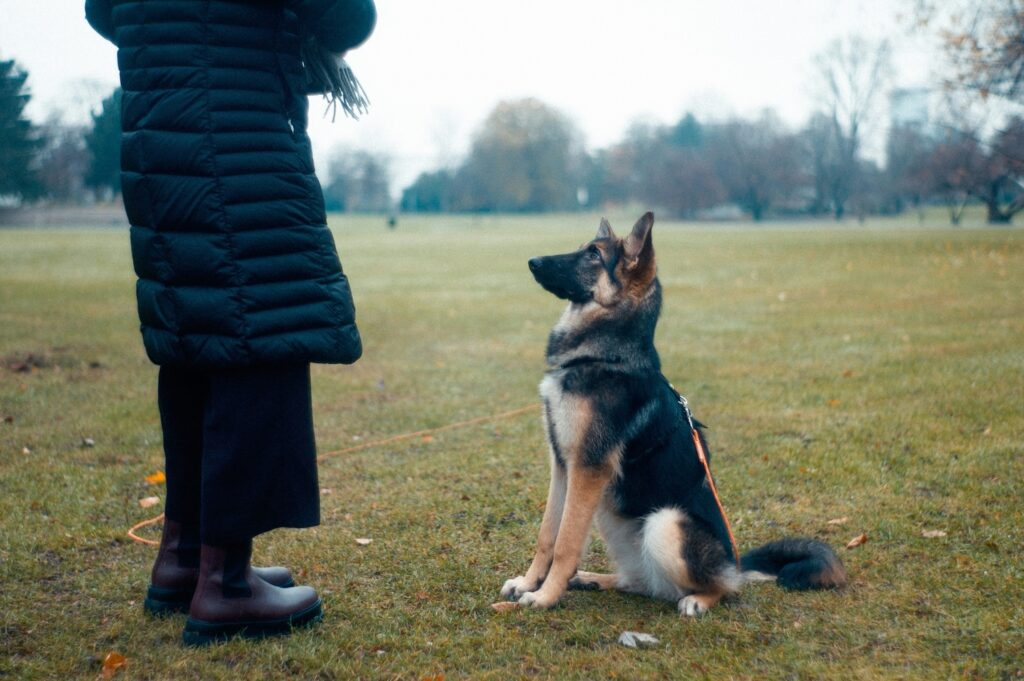
A German Shepherd sits attentively on grass, looking up at a person in a black coat and boots, during an ominance dog training session in a park with trees in the background on a cloudy day.
Behaviour & Communication

What Actually Works Instead of ‘Dominance’

The “alpha dog” concept isn’t just outdated. It’s based on flawed research on captive wolves, not natural pack behaviour. Decades of evidence now show what actually works: approaches built on attachment, trust, and positive reinforcement that are more effective, more reliable, and far kinder.
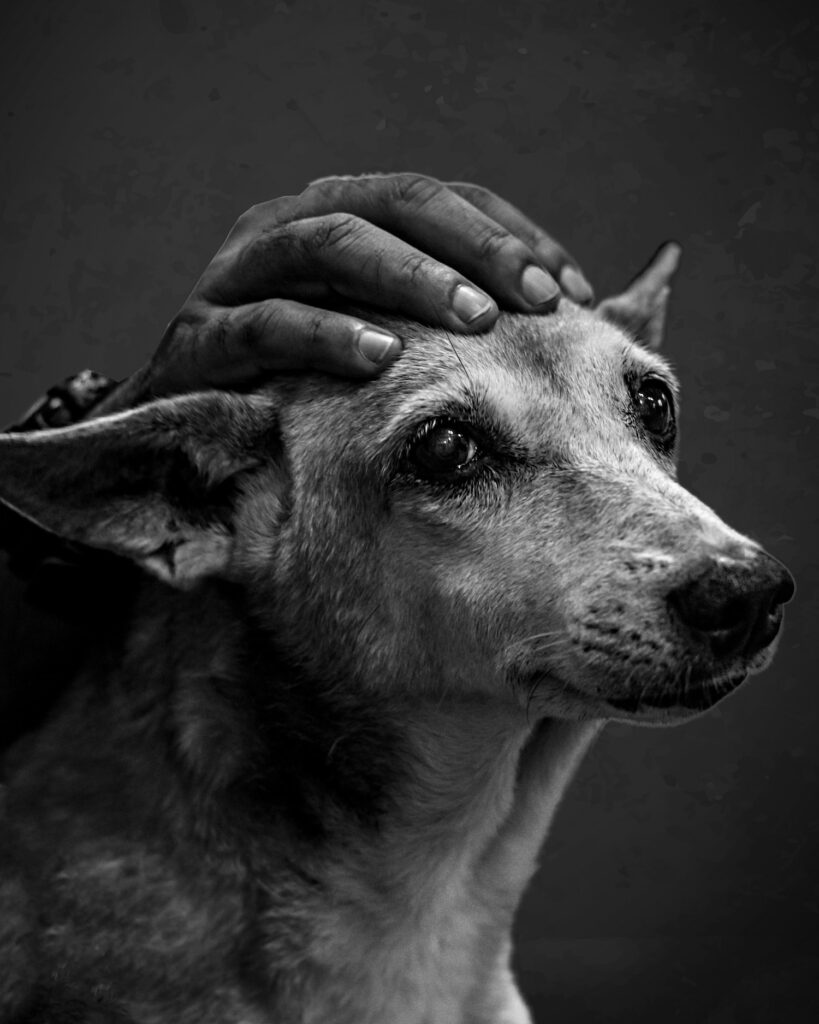

A black and white photo of a dog being gently patted on the head by a person's hand, capturing the dog's calm, soulful expression whilst subtly highlighting dog stress signals in its posture.
Behaviour & Communication

Reading Your Dog’s Stress Signals

Most stress signals happen in flickers: a tongue flick, a turned head, a freeze. By the time they’re obvious, your options are limited. Learning to read early signals gives you time to help.

A dog is mostly hidden under a beige blanket on a bed, with only its front legs and part of its nose peeking out—sometimes such behaviour can be among the subtle signs your dog is unwell, so keep an eye on any changes.
Health & Wellness

Hidden Signs Your Dog Isn’t Feeling Well

Your gut knows when something’s off about your dog. Learn to read the subtle signs of pain and illness that most owners miss, and build a baseline that helps you catch problems early.

A brown dog enjoys a peaceful dog sleep on a cushioned chair, with a person's hand resting gently on its side. The scene looks cosy and relaxed.
Health & Wellness

Why Your Dog’s Sleep Matters More Than You Think

The dog who can’t settle, startles too easily, and seems perpetually on edge might not need more training. They might need better sleep. Most canine sleep problems don’t look like tiredness. They look like a dog who’s become difficult. Here’s what’s actually going on.

A white dog with blue eyes stands alert on a pavement next to a person in a white coat and blue trousers, hinting at a veterinary partnership. Only the person’s lower half is visible. The dog appears attentive and curious.
Health & Wellness

Building Your Veterinary Partnership Before You Need It

Your dog hides illness until symptoms become obvious. The question isn’t whether you have a vet, but whether you have a partnership. Building that relationship now, while nothing’s wrong, changes everything about how you and your dog experience healthcare

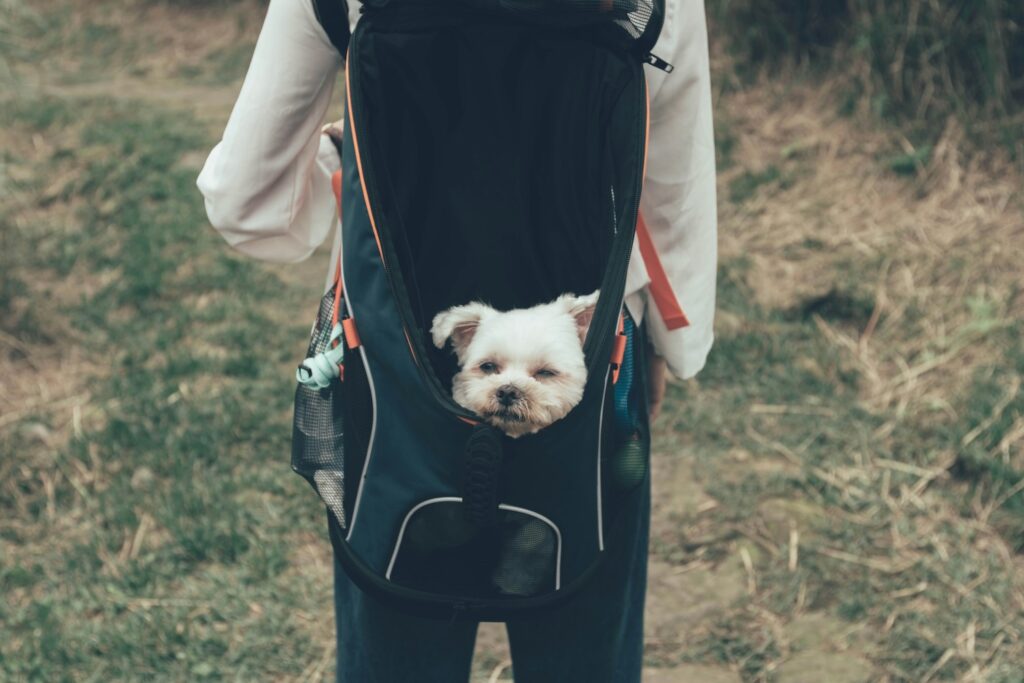
A small white weekend warrior dog sits comfortably inside a rucksack worn by a person outdoors, with grass and earth visible in the background—ready for some exercise and adventure.
Daily Life

Weekend Warriors vs. Weekday Walkers: Finding Balance

The boom-and-bust exercise cycle creates more problems than it solves. Ten minutes of daily engagement beats two hours of weekend exhaustion, and your dog’s body will show the difference.

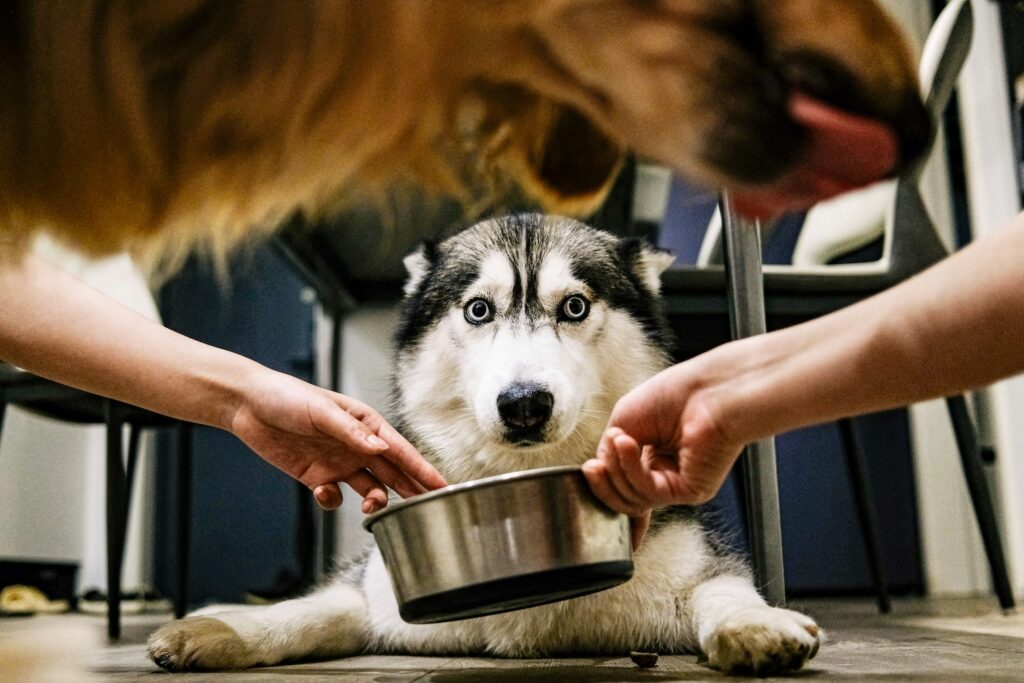
A husky with wide, surprised eyes sits on the floor during its dog feeding routine, as a person offers a metal food bowl; another dog, partially visible in the foreground, licks its lips eagerly.
Daily Life

Feeding Time: Beyond Just Filling the Bowl

Your dog’s feeding routine shapes more than their nutrition. From eating pace to mealtime environment, small changes in how you feed can meaningfully support their mental state and physical health.

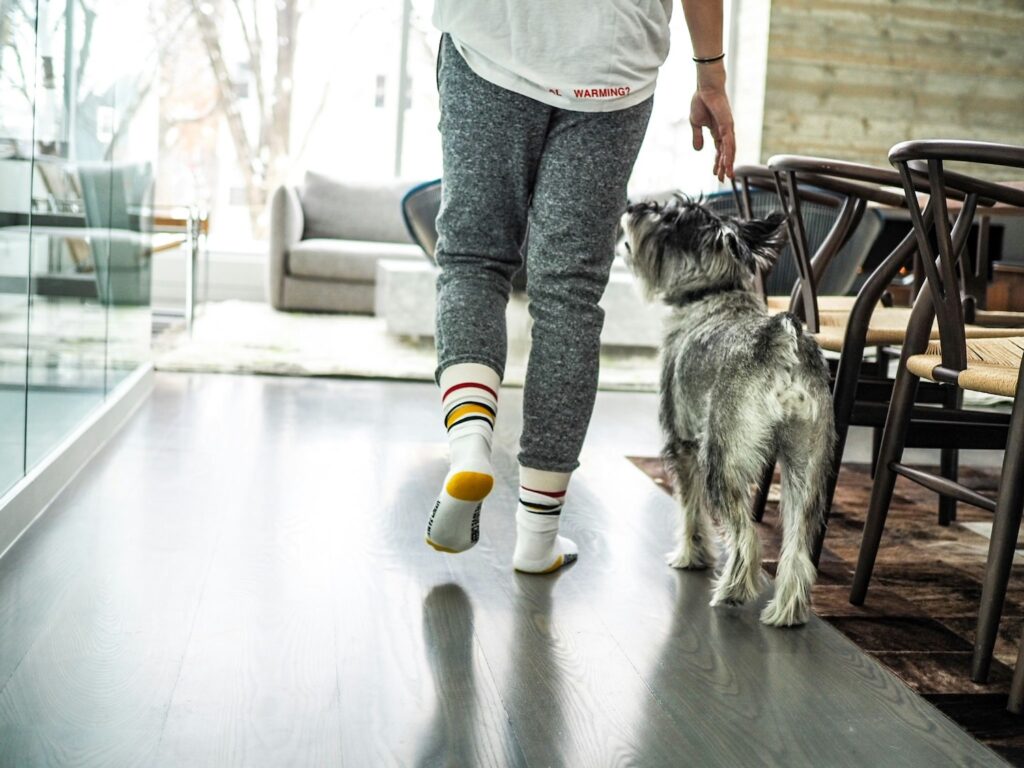
A person in grey sweatpants and striped socks follows their dog morning routine, walking indoors on a wooden floor with a small grey dog at their side. Modern furniture and large windows are visible in the background.
Daily Life

Morning Routines That Actually Work

Most morning chaos happens because we’re working against our dog’s biology. The right sequence changes everything: not just the first hour, but the whole day.

Two women with long brown hair, seen from behind, stand by a lake each holding a French bulldog—showcasing the joy of adding a second dog. The dogs face the camera, tongues out, enjoying the outdoor setting at sunset.
New Chapters

Adding a Second Dog: What They Don’t Tell You

Most multi-dog households don’t feature bonded best friends. They’re home to dogs who’ve learned to peacefully coexist. That’s actually success. This is what nobody tells you before adding a second dog: the real work, the practical timeline, and what good actually looks like.